You want a home that works as hard as you do. If your week blends video calls, deep-focus work, and occasional trips into the office, the right suburb can make every day smoother. In the Cleveland area, you can find space for a dedicated office, reliable connectivity, and easy access to parks, coffee, and commuter routes. This guide shows how Cleveland’s suburbs support hybrid work, which neighborhoods to explore, and what to check before you buy. Let’s dive in.
What hybrid workers need
A hybrid-friendly home starts with the basics: a quiet room for calls, strong internet, and a neighborhood that supports your routines. In Cuyahoga County, you can also tap into a large metro with diverse employers, cultural hubs, and a population of about 1.2 million, according to the U.S. Census Bureau’s QuickFacts for Cuyahoga County. Many buyers choose suburbs that balance space, calm streets, and quick access to downtown or University Circle when needed.
Home-office ready housing options
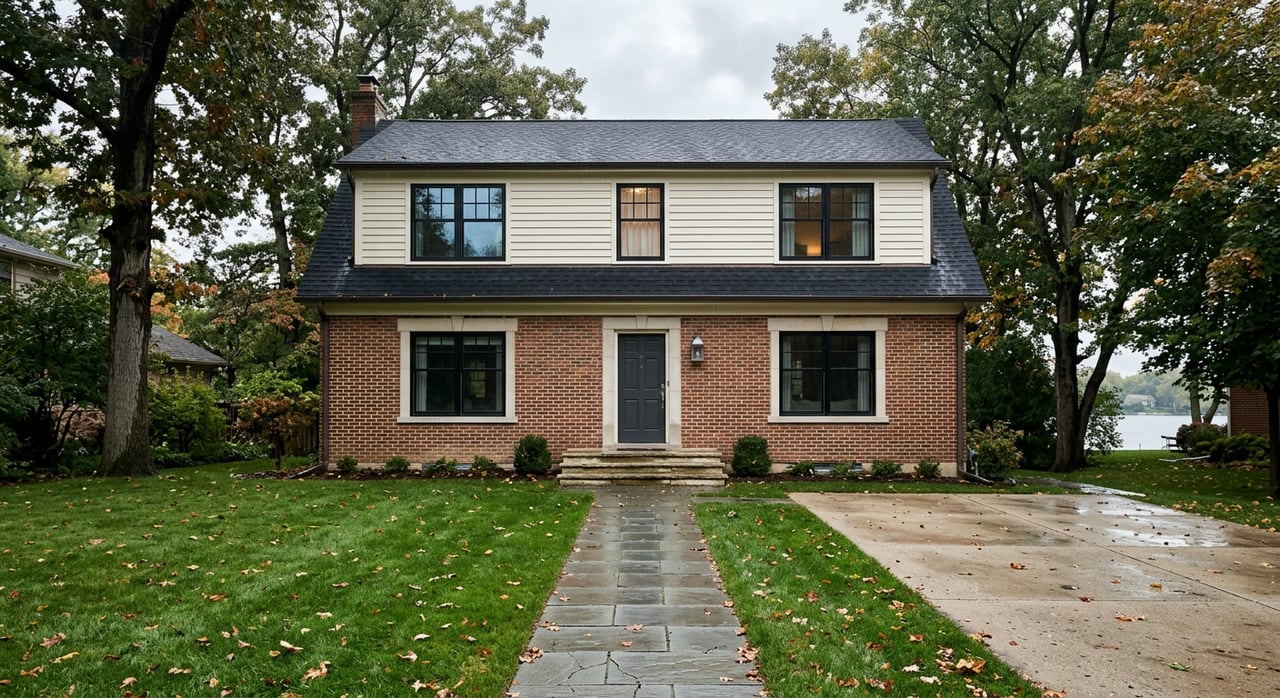
Cleveland’s suburbs offer a wide mix of homes that fit hybrid work. Close-in communities like Lakewood, Rocky River, Shaker Heights, and Fairview Park often feature early-20th-century homes with formal rooms that convert nicely into an office. These areas tend to be walkable and close to city amenities.
Mid-suburban communities such as Cleveland Heights, Beachwood, Westlake, and Parma include mid-century ranches and split-levels. Many homes have basements that can be finished into a quiet, dedicated workspace. If you prefer newer construction and larger lots, look at Solon, Strongsville, Avon, and Avon Lake for contemporary layouts, extra flex rooms, and more separation for calls.
Condo and townhome options appear in select inner-ring suburbs and near downtown for lower-maintenance living. If you choose this route, look for floor plans with a second bedroom or den, good natural light, and space for ergonomic furniture.
Features that make a difference
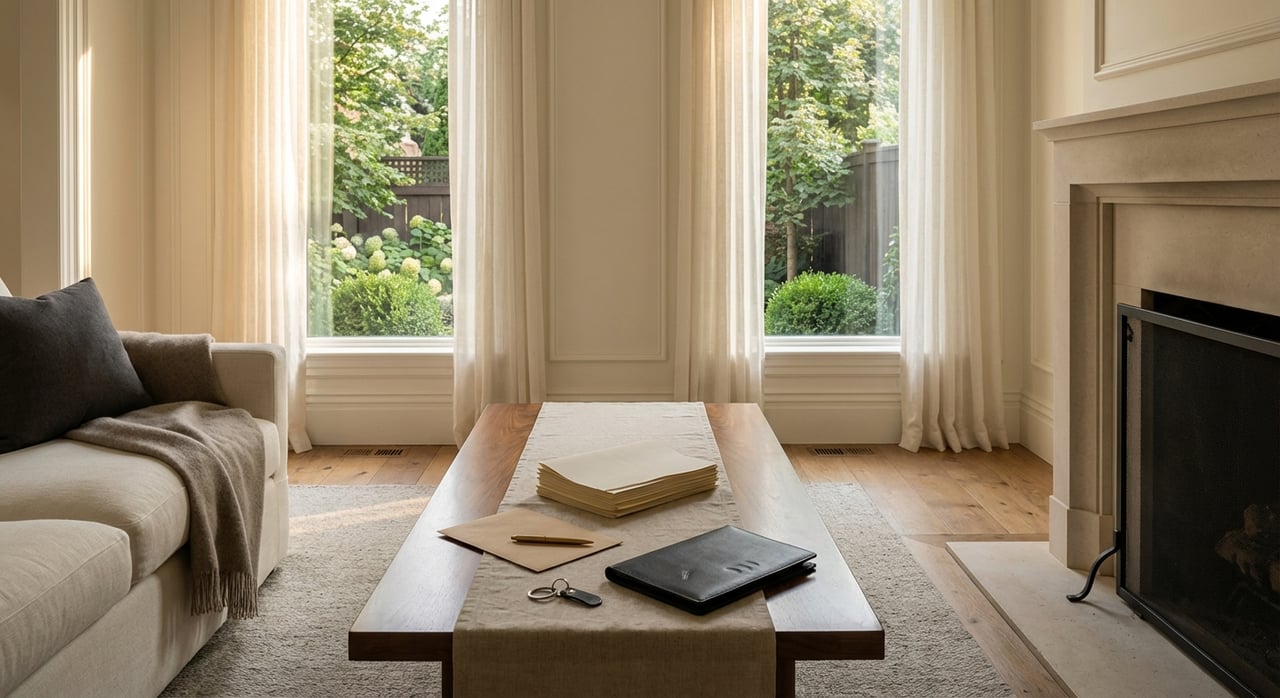
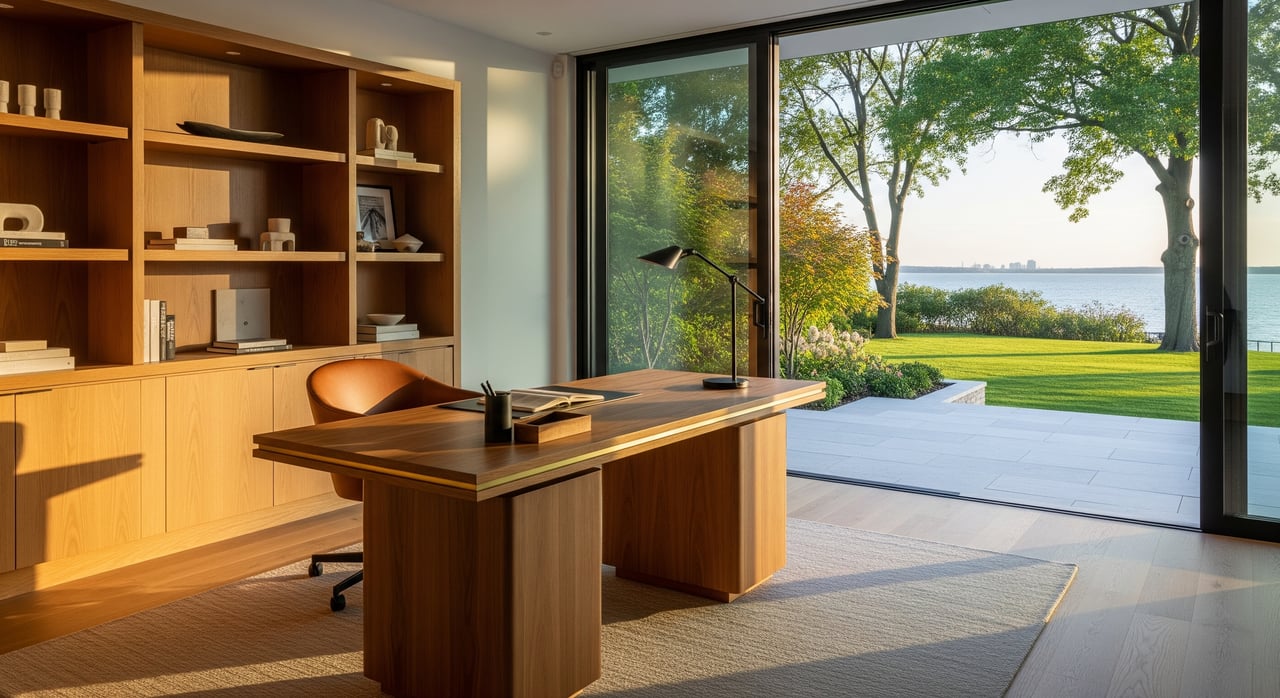
- A separate room or enclosed den for calls and focus time
- A finished basement or lower level for quiet, isolated work
- Space for wired internet, backup power, and proper lighting
- Garage or mudroom area for package handling or client visits
- Access to a yard or park for quick walk breaks
Internet and tech you can count on
Reliable broadband is essential. Most suburbs in Cuyahoga County are served by major providers offering cable, DSL, and fiber in some areas. Availability varies by street, so always verify before you sign a contract. You can check address-level availability on the FCC Broadband Map. If wired fiber is not available, compare wired cable options to fixed wireless or 5G home internet and confirm upload speeds that meet your video call needs.
Coworking and “third places” nearby
Even with a great home office, it helps to have professional spaces for meetings or a change of scenery. Greater Cleveland’s mix of downtown coworking hubs, suburban shared offices, and university-affiliated innovation spaces can give you day passes, meeting rooms, and networking. Public libraries also provide quiet rooms and dependable Wi-Fi for quick work sessions. If you run a small business or freelance on the side, organizations like JumpStart offer resources and programming to help you grow.
Commuting flexibility when you need it
Hybrid workers still have office days or client meetings. Cleveland’s suburban network centers on interstates I-71, I-77, I-90, and I-480, which makes occasional drives to downtown or University Circle manageable depending on your suburb choice. For transit, the Greater Cleveland Regional Transit Authority operates rail and bus service, including the HealthLine bus rapid transit that connects downtown to University Circle. Explore routes and schedules on the RTA website to see how transit fits your plan.
If you travel for work, Cleveland Hopkins International Airport serves domestic and international routes and sits on the west side of the metro. You can review airport services and access routes at the Cleveland Hopkins Airport site.
Pro tip: Model commute times from a specific address during peak hours using your preferred map app. If you are in the office only one or two days a week, a slightly longer drive may be worth the extra space at home.
Parks, trails, and quality-of-life perks
Daily movement and fresh air keep hybrid work sustainable. The region’s signature green space, the Cleveland Metroparks “Emerald Necklace,” spans trails, reservations, and lakefront parks for quick walk breaks or weekend hikes. Browse trail maps and park options on the Cleveland Metroparks site.
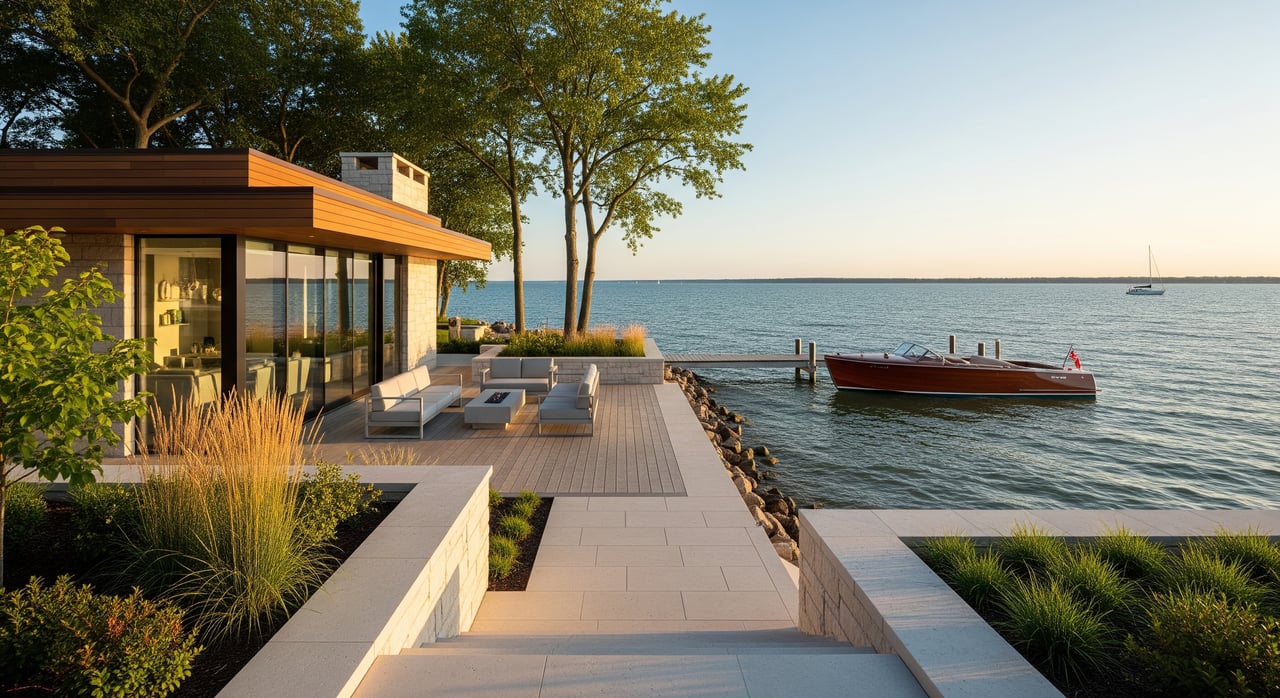
You can also access Lake Erie shoreline parks, including popular lakefront reservations, and long-distance routes like the Canal Towpath via the Ohio & Erie Canalway. Many suburbs add their own community parks, recreation centers, and pools. Health systems such as University Hospitals, Cleveland Clinic, and MetroHealth have facilities across the region, which supports healthcare access alongside daily routines.
Neighborhood examples to explore
Below are neutral examples to help you map your needs to local options. Always verify current commute times, transit access, and home inventory.
Lakewood
Close-in and walkable with a mix of early-20th-century homes and low-rise condos. You get shorter occasional commutes and a lively cafe and restaurant scene for off-site work sessions.
Shaker Heights and Cleveland Heights
Historic, tree-lined neighborhoods with formal rooms that often convert well into home offices. Close to University Circle and cultural institutions, which helps if your office or clients are on the east side.
Westlake, Rocky River, and Bay Village
Suburban convenience with shopping and mixed-use centers like Crocker Park in Westlake, plus lake access in Rocky River and Bay Village. Many homes offer more square footage and yards for a dedicated office and patio breaks.
Solon, Strongsville, and Avon
Contemporary single-family homes with flex spaces and finished basements are common. Corporate parks in select areas and highway access help balance longer distances with manageable occasional commutes.
Beachwood and Pepper Pike
Close to significant office and retail centers with varied housing from mid-century to newer builds. A good fit if you want short drives to east-side employment nodes while keeping home-office comfort.
How to choose your suburb
Use a simple framework to match your hybrid schedule to your next home:
- In-office days per week. Decide how many days you need to commute and what drive or transit time feels acceptable.
- Space and layout. Identify your must-haves: a fully separate office, finished basement, or extra bedroom that can close off for calls.
- Transit vs driving. Weigh proximity to interstates against rail or bus access if your office is downtown or along the HealthLine corridor.
- Broadband needs. Confirm address-level availability and upload speeds using the FCC Broadband Map. Ask for recent speed tests when touring.
- Daily life. Map your routine to nearby parks, coffee shops, groceries, and fitness options so your weekday feels effortless.
Cost and practical checks
One reason hybrid workers choose the suburbs is value for space. Many buyers find that Cleveland-area suburbs offer more interior square footage at a given budget than larger coastal metros. Closer-in areas may have smaller lots or older homes that need updates for a modern office, while farther-out suburbs often deliver more space in exchange for a longer drive on office days.
Before you buy, review key carrying costs:
- Property taxes. Rates vary by municipality and school district. Confirm details through the Cuyahoga County Fiscal Officer.
- Utilities and internet. Compare provider options and estimated costs. Verify wired service first, then consider fixed wireless or 5G only if needed.
- Commute costs. Add parking or transit passes and occasional rideshare if you work downtown.
For a full picture of the region and its workforce, you can also review county-level data via U.S. Census QuickFacts. When you are ready to narrow to specific streets and homes, a local agent can help you validate inventory and neighborhood-level details.
Ready to find your hybrid-friendly home?
You deserve a home that supports your work and your life. Whether you want a quiet office, fiber-ready street, or a trailhead nearby, our team helps you find the right fit across Cleveland and the eastern suburbs. Reach out to the Legacy Clover Team for local guidance, on-the-ground neighborhood insight, and a smooth plan from search to closing.
FAQs
What makes Cleveland suburbs good for hybrid workers?
- You get a wide range of home layouts for dedicated offices, strong regional connectivity via highways and RTA, and extensive parks through the Cleveland Metroparks.
How do I check internet speeds for a specific address in Cuyahoga County?
- Use the FCC Broadband Map to verify provider options and ask for recent speed tests during showings.
Are there coworking options outside downtown Cleveland?
- Yes. The metro includes suburban coworking suites and university-affiliated spaces, plus quiet rooms at public libraries; day passes are common for hybrid schedules.
What transit options help if I have office days downtown or in University Circle?
- The RTA operates rail and bus service, including the HealthLine bus rapid transit along Euclid Avenue connecting downtown and University Circle.
Where can I take quick breaks or runs during the workday?
- Explore trails and reservations on the Cleveland Metroparks site and longer routes through the Ohio & Erie Canalway.
How easy is business travel from the suburbs?
- Most west and south suburbs have quick access to Cleveland Hopkins International, and you can plan routes and parking via the airport’s official site.