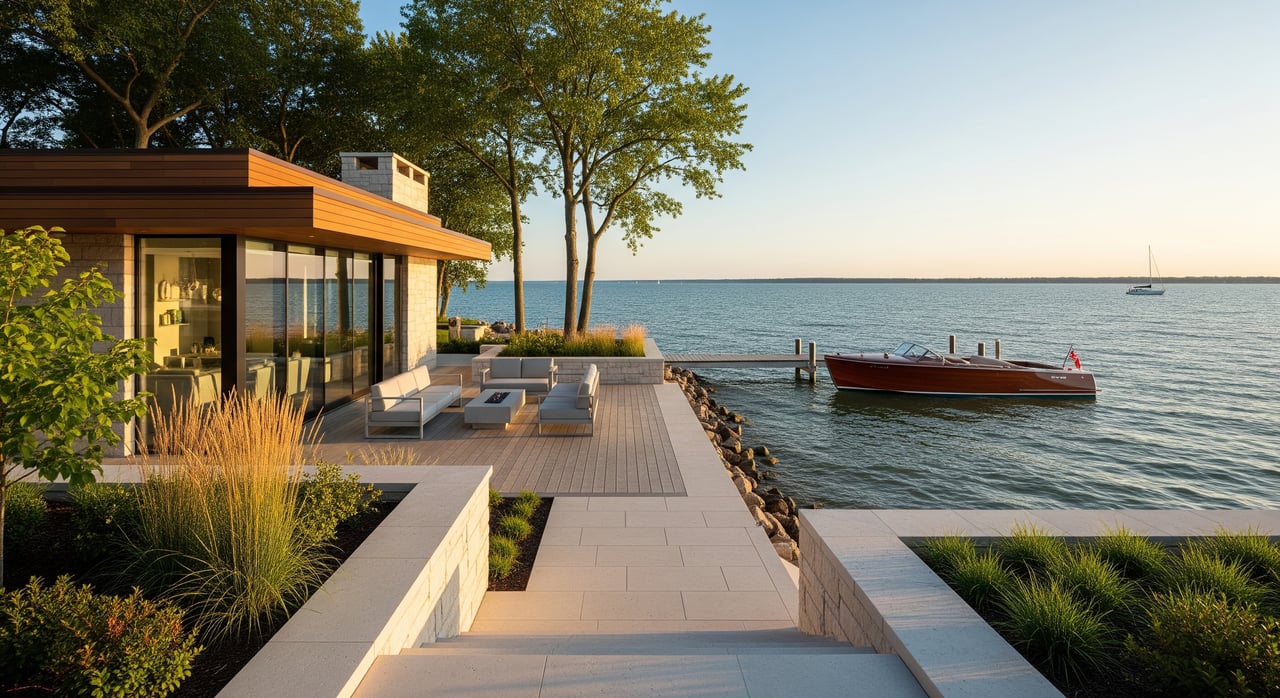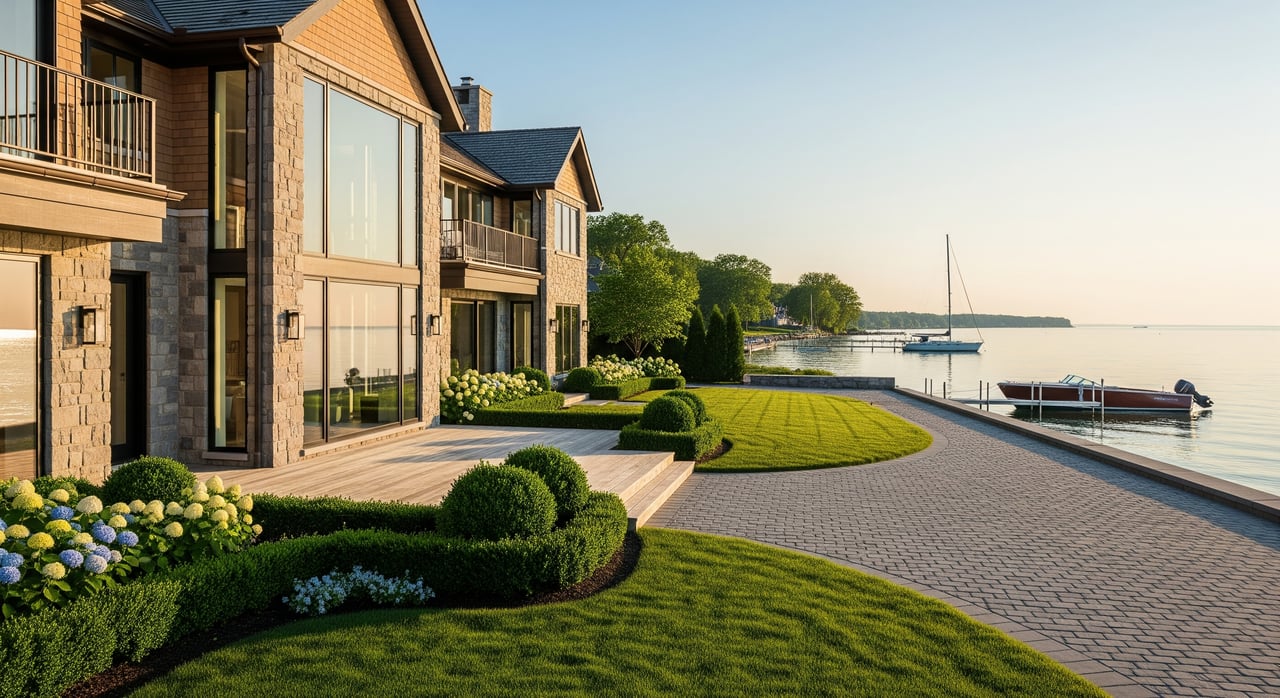
Picture this: a quiet evening on Lake Erie, the sky painted in soft pastels, and the sound of water just beyond your porch. If you are thinking about a lakefront or lake‑view home in Mentor, you likely want both the beauty and the practical know‑how to make a smart move. In this guide, you will learn how the lake shapes local weather, where to enjoy the shoreline, how pricing works for waterfront homes, and the key steps to a confident home search. Let’s dive in.
Mentor lakefront at a glance
Mentor sits along Lake Erie in Lake County, and the shoreline here includes several neighboring municipalities. True private lakefront parcels, marinas, and some parks often fall within Mentor‑on‑the‑Lake or nearby Fairport Harbor, even when facilities are managed by the City of Mentor. If you see a park or beach listed as “Mentor,” it may still lie within a neighboring city’s limits, so confirm the exact municipality during your search. You can browse local facilities and park details on the City’s parks page to get oriented to access points and amenities. Explore City of Mentor parks and facilities.
Lifestyle is a major draw here. You will find sandy shoreline, restored marshland for birding, dredged lagoons for sheltered boat access, and active marinas. That mix supports everything from quiet sunrise walks to serious boating, fishing, and paddling.
Weather and seasons you can plan around
Lake‑moderated temperatures
Lake Erie takes the edge off summer heat on the shore and often softens winter lows right along the water. You still get four distinct seasons, with humid summers, colorful falls, and snowy winters typical of Northeast Ohio. When you plan everyday life or guest visits, Cleveland‑area climate normals offer a practical proxy for Mentor conditions. Check NOAA’s U.S. Climate Normals.
Lake‑effect snow basics
Northeast Ohio is known for lake‑effect snow. When cold air passes over the relatively warm lake, narrow snow bands can produce intense, localized totals. One winter may be modest and the next more active; ice cover, wind, and lake temperature all matter. Plan for regular plowing and a good snow brush, and always follow current National Weather Service forecasts for the latest guidance. For a clear explainer on how it works, see this overview of lake‑effect dynamics. Learn about lake‑effect snow.
Water levels and shoreline change
Great Lakes water levels rise and fall on seasonal and multi‑year cycles. Periods of high water can increase nearshore flooding, storm splash‑over, and bluff or beach erosion, which affects maintenance for shoreline properties. If you are evaluating a home with shore protection, factor in both current conditions and long‑term upkeep. To view recent and historical levels, use NOAA’s Great Lakes dashboard. See Great Lakes water levels.
Where to enjoy the lake: parks, beaches, marinas
Headlands Beach State Park
Just east of Mentor’s core, Headlands Beach State Park offers Ohio’s longest natural sand beach, sweeping sunset views, and dunes that feel a world away from the city. It is a high‑traffic summer spot with seasonal lifeguard and parking considerations, so check advisories in peak months. Get to know Headlands Beach State Park.
Mentor Marsh State Nature Preserve
Mentor Marsh is a restored wetland with trails, boardwalks, and exceptional birding. This preserve also buffers the nearshore area, shaping the landscape character and offering a calm, natural counterpoint to the open beach. If you value wildlife and quiet morning walks, add it to your weekend circuit. Explore Mentor Marsh and its trails.
Mentor Lagoons and harbor access
For boaters, the Mentor Lagoons and nearby harbor facilities provide protected access behind jetties, plus yacht club and marina options. Dock availability, membership details, and fees vary by facility and season, so factor those into your search if boating is essential. A regional coastal plan outlines how these excavated lagoons and harbor assets support local recreation and access. Read about the lagoons and harbor setting.
Home types, prices, and value signals
Across the City of Mentor, mainstream housing runs from established single‑family homes to townhomes and condos. A broad market snapshot shows a citywide home‑value figure around the mid‑$200,000s in early 2026 (Zillow ZHVI, data through Jan 31, 2026). True lakefront or lake‑view properties in the Mentor‑on‑the‑Lake and harbor areas often command a premium, with examples ranging from the mid‑$200,000s for smaller cottages or view lots to $500,000–$800,000 and higher for full lakefront homes, docks, or deeper parcels.
Why the premium? Studies show waterfront and water‑view amenities are capitalized into property values, and water quality can influence pricing as well. Local demand, parcel size, dock rights, and the quality and condition of shoreline protection all play a role. For a helpful national perspective on the “waterfront premium,” review this meta‑analysis of property values and water quality. See the research on waterfront value.
If you are comparing two homes, look past the headline view. Documented features that help value and resale include permitted shoreline structures, secure dock access, a clear view corridor, an Elevation Certificate, and a low history of flood or wave overtopping. Your agent can pull local comps and verify records so you understand the true apples‑to‑apples picture.
Buyer checklist for Mentor lakefront
Use this step‑by‑step list to keep your search focused and informed:
- Confirm flood zone and elevation. Use FEMA’s Flood Map Service and request any existing Elevation Certificate. Lenders generally require flood insurance in Special Flood Hazard Areas, and elevation can influence premiums. What an Elevation Certificate is and why it matters.
- Verify shoreline structure permits. Ask for permits and maintenance records for any seawall, revetment, groin, or dock. In Ohio, many shore structures require state permissions or submerged‑lands leases in addition to local permits. Understand Ohio shoreline structure rules.
- Review littoral rights and deed language. Waterfront boundaries and access rights in Ohio are guided by the public‑trust doctrine. Ask your title company or attorney to review easements, wharfing rights, and any submerged‑land lease references before you close. Read background on Ohio littoral rights.
- Order specialized inspections. In addition to a general home inspection, get a shoreline assessment that checks seawall condition, drainage, dock integrity, signs of scour, and moisture history in lower levels. If significant engineering is present, consider a structural or coastal engineer. Find professionals familiar with flood and elevation issues.
- Check seasonal water quality advisories. Summertime harmful algal blooms in Lake Erie vary by location and year. Before you swim or launch, consult NOAA’s HAB bulletins and local beach postings for current conditions. Track Great Lakes HAB updates.
- Consider water‑level context. Ask about the property’s history during high‑water years and storm events, including any splash‑over, yard flooding, or repair invoices. View recent lake level trends to understand the broader backdrop. See current and historical lake levels.
Seller prep for shoreline listings
If you are listing a lake‑adjacent home, documentation and condition shine in the eyes of buyers and appraisers. Gather and highlight:
- Any Elevation Certificate, shoreline permits, and submerged‑land lease documents.
- A maintenance log for seawalls, revetments, docks, pumps, and drainage improvements.
- Survey and lot lines that clarify access and any easements.
- Upgrades that improve resilience, such as elevated mechanicals, storm‑rated windows, or engineered shoreline improvements.
- Honest notes about seasonal conditions, plus recent invoices for repairs or mitigation that protect value long‑term.
Search tips that save time
- Define your must‑haves early. Decide if you need direct water access, a dock, or are comfortable with a lake‑view setting a few blocks inland. Proximity can deliver views with fewer maintenance demands.
- Tour in more than one season if you can. A spring visit shows drainage patterns, while a winter visit reveals wind exposure and snow management needs. If timing is tight, ask for past photos and invoices that document conditions.
- Ask about beach and marina logistics. Parking rules, seasonal passes, and slip availability can influence your day‑to‑day routine and budget.
- Budget for shoreline upkeep. Even with solid protection, plan for periodic inspections and preventive maintenance.
- Keep an eye on advisories and forecasts. Summer beach postings and winter storm updates help you plan recreation and maintenance throughout the year. For current weather guidance, follow the National Weather Service Cleveland office’s updates.
Local guidance you can count on
You deserve clear answers, not guesswork. Our team is rooted in Mentor with decades of combined experience and more than 400 closed sales. We know the neighborhood nuances between Mentor, Mentor‑on‑the‑Lake, and the harbor corridor, and we will help you verify permits, interpret flood and elevation records, and weigh the features that truly protect value.
If you are ready to explore lakefront or lake‑view living, or to position your shoreline home for a strong sale, let’s talk. Reach out to the Legacy Clover Team for a friendly, local plan tailored to you.
FAQs
How does Lake Erie affect winter weather in Mentor?
- The lake can produce narrow bands of lake‑effect snow that vary by year and location, so expect beautiful winter scenes along with days that require plowing and cautious travel.
Are Mentor lakefront homes always pricier than inland homes?
- In general, yes. Waterfront and high‑quality views tend to command a premium, but the size of that premium depends on parcel details, dock access, and the condition of shore protection.
Do I need flood insurance for a Lake Erie home near Mentor?
- If the structure sits in a Special Flood Hazard Area, most lenders will require flood insurance. An Elevation Certificate and site specifics influence coverage and pricing.
What inspections are essential for a shoreline property purchase?
- Get a general home inspection plus a shoreline assessment focused on seawall integrity, drainage, docks, and moisture history; consider a structural or coastal engineer if significant shore work exists.
Can I build or replace a seawall on my property?
- Many Ohio shoreline structures need state permissions and possibly submerged‑lands leases, plus local permits. Confirm records before you buy, and consult the proper agencies before you build or repair.