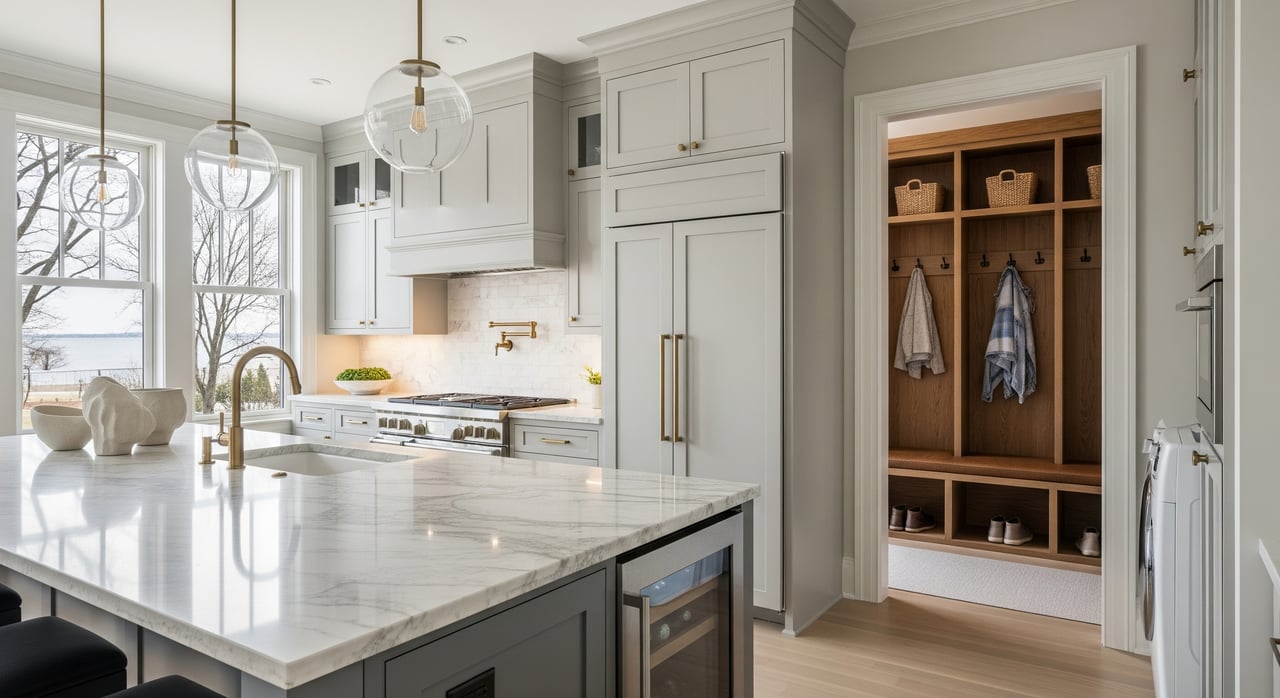
Thinking about selling your Cleveland home in the next 6 to 12 months? You are not alone. Local buyers love move-in-ready homes with modern touches, and small, smart upgrades can make a big difference in photos, showings, and offers. In this guide, you will find the high-impact projects Cleveland buyers care about most, planning cost ranges, a seasonal timeline, and local permitting tips to help you list with confidence. Let’s dive in.
What Cleveland buyers want now
Cleveland and many Cuyahoga County suburbs have older housing, from early 20th-century bungalows to postwar homes. Buyers here tend to be value-focused and respond well to visible improvements that reduce the feel of deferred maintenance. That is why simple, clean, and functional updates win.
Across neighborhoods, buyers consistently prioritize updated kitchens and bathrooms, bright interiors, finished lower levels, and off-street parking. Urban-core buyers often lean toward walkability and outdoor living, while suburban buyers look for storage, garages, and usable basements. Spring remains the busiest season for demand, so planning winter-friendly projects now can set you up for a strong launch.
Top value-boosting upgrades
Curb appeal and exterior
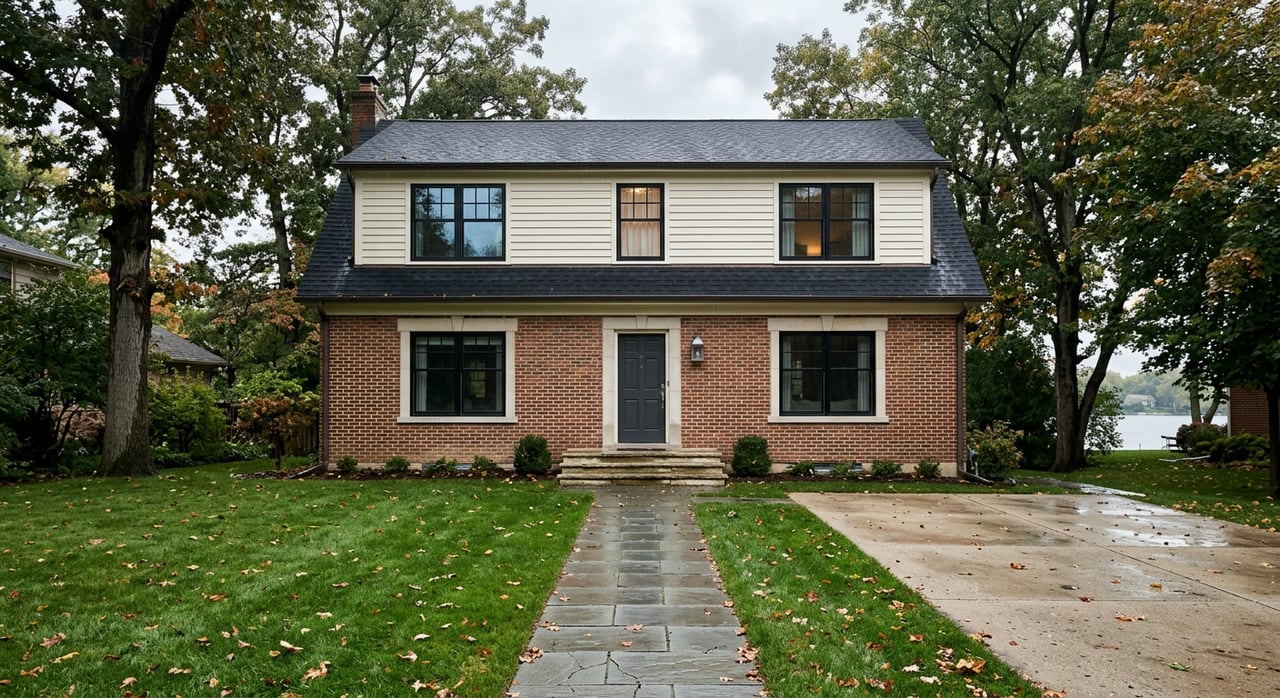
First impressions drive clicks and showings. A tidy, well-lit exterior helps your home stand out, especially when landscaping is dormant.
- Replace or refresh the garage door; an insulated, attractive door adds instant polish.
- Update or paint the front door, add new hardware and weatherstripping, and refresh address numbers and lighting.
- Pressure wash, clean gutters, repair siding, and caulk windows.
- Add simple hardscaping, mulch, trimmed shrubs, or seasonal planters when possible.
- Create a snow and ice plan for winter showings to keep paths safe and clear.
Typical costs: $500 to $4,000 for front door, paint, and hardware; $1,200 to $4,000 for a garage door, depending on style and insulation; $500 to $3,000 for pressure washing, light landscaping, and exterior repairs. The perceived ROI is high because these are lower-cost steps with outsized impact. If you are in a historic district, start any exterior review early.
Kitchen refresh that sells
Kitchens are at the top of buyers’ lists. In a 6 to 12 month sale window, focus on right-sized updates rather than a full gut.
- Consider cabinet painting or refacing and new hardware.
- Add new countertops (granite or engineered stone), an updated backsplash, and a modern faucet and sink.
- Swap in mid-range appliances if yours are dated and mismatched.
Typical costs: $6,000 to $25,000 for a minor refresh, and $20,000 to $50,000 for a midrange partial remodel. Many older Cleveland homes have compact kitchens, so prioritize flow, lighting, and storage. A tasteful, modest refresh often delivers better results than a high-end overhaul.
Lighting, finishes, and decluttering
Bright, neutral interiors photograph better and feel updated.
- Install warm LED bulbs, add dimmers, and consider smart switches.
- Add recessed or under-cabinet lighting in the kitchen if wiring allows.
- Update light fixtures in entries, dining rooms, and baths to simple, neutral styles.
- Refinish or replace visibly worn flooring, or schedule a deep clean.
- Paint in neutral tones and remove heavy wallpaper. Pair with professional decluttering and light staging.
Typical costs: $200 to $2,000 for a lighting refresh; $2,000 to $6,000 for interior painting in a 1,200 to 2,000 square foot home. LEDs and a programmable thermostat can also be marketed as lower running costs.
Finish the lower level the right way
Finished basements are a Cleveland favorite when done properly. The added living space is valuable, but quality and code compliance are key.
- Address moisture control first with waterproofing, sump pumps, and vapor barriers.
- Meet egress requirements for habitable rooms and bedrooms and update electrical and HVAC as needed.
- Choose light colors, durable flooring, and clean finishes. Avoid low ceilings or dark, heavy materials.
Typical costs: About $25 to $60 per square foot, or roughly $12,500 to $60,000 for 500 to 1,000 square feet. Buyers expect dry basements. Permits are typically required for finished living space, and documented, permitted work reduces risk during inspection.
Bathroom updates that matter
Bathrooms weigh heavily in buyer evaluations. Targeted updates can modernize without a complete overhaul.
- Swap in a new vanity, mirror, lighting, and plumbing fixtures.
- Refresh grout and tile or replace a dated tub surround.
Typical costs: $2,000 to $8,000 for a half-bath refresh and $8,000 to $25,000 for a midrange full-bath remodel. Baths are important, but kitchens and curb appeal often move the needle first.
Systems and mechanicals to address
Buyers discount homes with expensive, near-term replacements. Tackling aging systems up front can avoid price cuts after inspections.
- Have a pre-listing check of the roof, furnace, water heater, electrical, and plumbing.
- Prioritize repairs that remove major objections, such as roof leaks, outdated wiring, or an old water heater.
- Keep receipts and any transferable warranties ready for buyers.
These upgrades may not be flashy, but they often provide the best protection against negotiation surprises.
Timeline for a spring listing
Plan your projects so you are fully staged and photographed at least 1 to 2 weeks before going live.
- 6 to 12 months out:
- Do a whole-home assessment and create a prioritized list.
- Get quotes for larger projects and confirm permit timelines. Start historic reviews early if needed.
- Address mechanicals with longer lead times, such as roofing, HVAC, or basement waterproofing.
- 3 to 6 months out:
- Begin major interior work like a kitchen refresh, bathroom updates, or basement finishing.
- If exterior work needs warm weather, line it up for early spring. In winter, focus on pressure washing, entry upgrades, lighting, and a snow plan.
- 1 to 2 months out:
- Complete paint touch-ups, deep cleaning, and staging.
- Schedule professional photography and a virtual tour.
- Tidy closets, repair blinds and curtains, and replace bulbs.
- 2 weeks before listing:
- Clear debris, confirm ice and snow removal for all showings.
- Compile permits, warranties, and contractor invoices for buyers.
Seasonal notes: Exterior painting usually waits for warmer weather unless you use specialized winter products and experienced crews. Hardscaping and lighting can be installed in colder months, and simple planters add color even in winter. If a furnace replacement is due, prioritize it before listing.
Permits and local rules in Cuyahoga County
Finishing a basement, electrical work, plumbing, structural changes, and many exterior projects require permits in Cleveland and most suburbs. Unpermitted work can delay closing, so plan your applications and inspections early.
The City of Cleveland’s Building and Housing department enforces local codes. Surrounding municipalities each have their own processes and timelines. Historic districts in the city and inner-ring suburbs often require design review for exterior changes, which can add 4 to 12 or more weeks to your schedule.
Choose licensed, insured local contractors who are familiar with Cleveland basements, cold-weather heating systems, and your municipality’s permit procedures. Ask for references and verify they have worked in your city and with relevant historic boards. Keep all permits, completion certificates, receipts, and warranties in a single file for buyers.
Staging and marketing your upgrades
Showcase your improvements so buyers notice them quickly online and in person.
- Kitchen: Clear counters, remove refrigerator clutter, and switch on under-cabinet lighting for photos.
- Basement: Keep colors light, stage as a flexible living area, and highlight storage and egress.
- Curb appeal: Add updated lighting and ensure shoveled, de-iced walkways for all showings.
Price to neighborhood comparables and use improvements to support your position. Make sure your listing description mentions energy-saving touches, new systems, and any transferrable warranties. Documented, permitted work helps reduce inspection-related renegotiation.
Your next step
If you want a clear, local plan for what to do now and what to skip, we are here to help. The Legacy Clover Team pairs neighborhood-level insight across Cleveland and the suburbs with hands-on listing prep, staging support, and pricing strategy. For a personalized upgrade plan and professional marketing when you are ready to sell, connect with the Legacy Clover Team. Ask about a free consultation and Instant Home Valuation.
FAQs
Which upgrades deliver the best ROI when selling a Cleveland home?
- Curb appeal improvements and a targeted kitchen refresh usually provide the strongest cost-to-impact results, while addressing mechanical or moisture issues can offer the best protection against price cuts after inspection.
Should you finish your basement before selling in Cuyahoga County?
- Only if you can meet moisture control and egress requirements, stay within budget, and finish in time for staging; a clean, dry unfinished basement can work, but a rushed, low-quality finish can hurt value.
Do energy-efficiency updates pay off for a quick sale in Cleveland?
- Some upgrades attract buyers, but many have longer paybacks; prioritize sealing and HVAC improvements that remove objections, and highlight LEDs and programmable thermostats as lower running costs.
How far in advance should you book contractors in the Cleveland area?
- For larger projects such as a basement finish or kitchen refresh, secure bids and book contractors 3 to 6 months ahead, since permits and historic reviews can add time.
What should you prepare for winter showings in Northeast Ohio?
- Keep walkways shoveled and de-iced, add clear exterior lighting for late-day visits, and maintain tidy entry and porch areas to signal strong maintenance even when landscaping is dormant.