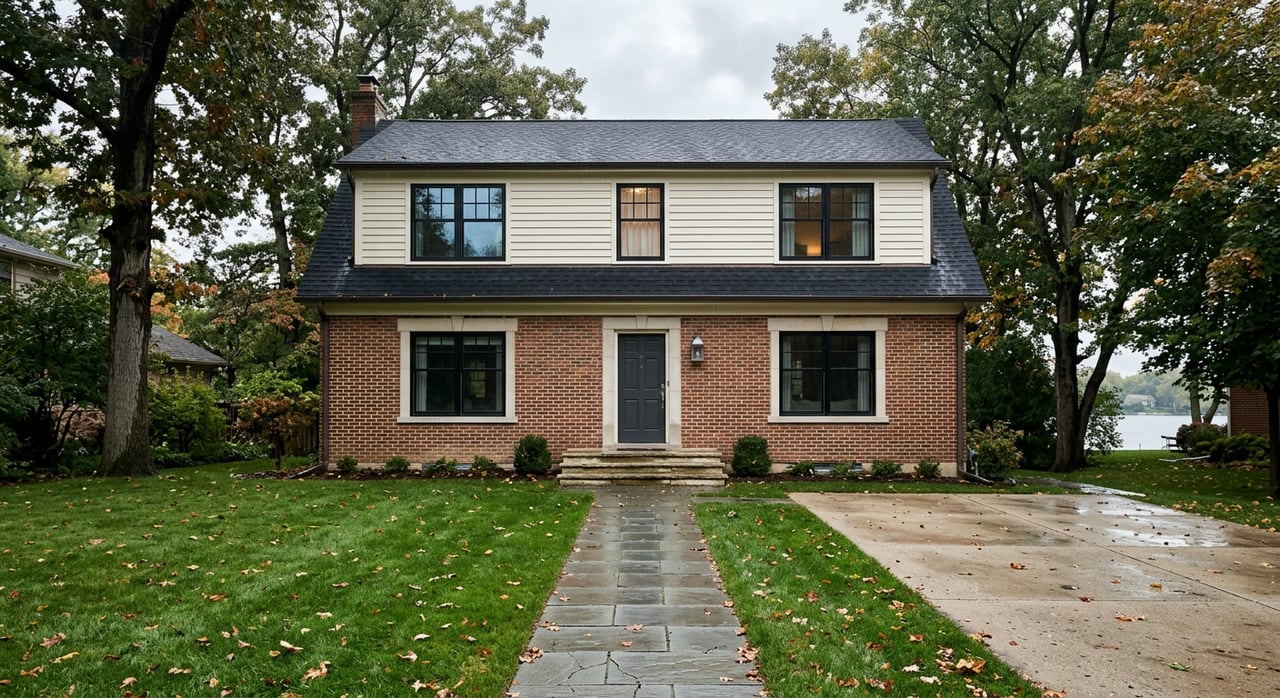
Buying your first home in Cleveland can feel exciting and a little overwhelming. You are choosing between city neighborhoods and suburbs, older homes and new builds, and different tax and utility costs. This guide breaks it down step by step so you know what to expect, what to look for on tours, and which local resources can help. Let’s dive in.
Set your budget with local clarity
Cuyahoga County includes the City of Cleveland and many independent suburbs. Each city has its own tax rates, permitting rules, and fees. A smart budget accounts for those differences before you start touring.
Get a strong pre-approval
Aim for a mortgage pre-approval from a lender who works regularly in Cuyahoga County and understands local assistance programs. A pre-approval confirms your price range and makes your offer stronger. Ask lenders whether they participate in the Ohio Housing Finance Agency programs. The Ohio Housing Finance Agency (OHFA) offers first‑time buyer mortgages, down payment assistance, and Mortgage Credit Certificates.
Explore down payment help
Conventional loans often allow low down payments for first‑time buyers, and FHA has a 3.5% minimum for eligible borrowers. If you want help with cash to close, look into OHFA options and check for city or county assistance that may be available. Program funding changes, so confirm current details with the City of Cleveland Department of Community Development and the Cuyahoga County Department of Development. If a program requires education, you can find approved classes through HUD’s list of housing counseling agencies.
Plan for monthly costs in this market
Ask your lender to estimate your full monthly payment, including principal, interest, property taxes, and insurance. Property tax rates vary by municipality and school district, so the same price can carry different monthly taxes depending on location. You can check recorded taxes for a specific property at the Cuyahoga County Fiscal Officer. Add utilities, HOA or condo dues if applicable, and typical Cleveland-area winter heating and snow removal costs.
Build a buffer for older-home maintenance
Many Cleveland and inner-ring suburb homes were built before 1950. Plan for potential updates like roofs, furnaces or boilers, window upgrades, and electrical modernization. Older homes can be great value if you are ready for maintenance and improvements.
House hunting across Cleveland neighborhoods
Cleveland’s housing stock is diverse. You will find older single-family homes in areas like Tremont and Ohio City, multi-family properties across the city and inner suburbs, and newer condos or infill homes near Downtown and University Circle. Suburbs offer ranch and split-level homes from the post‑war era along with more recent builds.
What to look for during tours
Bring a practical checklist, especially for older homes:
- Basement and moisture: Look for dampness, stains, efflorescence, sump pumps, and any odor. Older sewer infrastructure can make some homes prone to basement moisture.
- Roof and exterior: Note roof age, missing shingles, gutter condition, and drainage away from the foundation.
- Heating system: Check the type and age. In our climate, efficiency and service history matter.
- Electrical: Watch for knob‑and‑tube wiring, outdated fuse boxes, or low amperage panels.
- Windows and insulation: Single‑pane windows are common in older homes; note condition and drafts.
- Masonry and foundation: Cleveland’s freeze‑thaw can affect mortar and cause settling.
- Environmental risks: Homes built before 1978 may contain lead-based paint. Some older materials can include asbestos. Plan inspections if you proceed.
- Pests: Look for signs of termites or rodents, especially in long‑vacant or rental properties.
- Neighborhood factors: Consider street plowing patterns, transit access, parks and lakefront proximity, and any flood‑prone areas.
Seasonal touring tips
- Winter: Snow can hide roofing and grading issues, but you will see how the heating system performs.
- Spring: Thaw and rain can reveal drainage problems or basement dampness.
Craft a competitive offer
A complete offer includes price, earnest money, financing and inspection contingencies, your proposed closing date, and any requests for seller concessions. In competitive neighborhoods, you may face multiple offers. You can keep inspection protection while staying competitive by using an expedited inspection window. Waiving inspections increases risk, especially with older homes, so weigh tradeoffs carefully. Coordinate with your lender and title company to match local timing norms.
Inspections that matter in Northeast Ohio
Inspections help you understand the home’s true condition and plan for costs. In our region, several checks are especially useful:
- General home inspection
- Sewer scope to check for roots, blockages, or aging lines
- Radon test, especially with basements or garden-level living areas
- Wood-destroying insect inspection
- HVAC evaluation for age and service status
- Chimney inspection if there is a fireplace or solid fuel use
- Lead risk assessment for pre‑1978 homes if children or vulnerable occupants are present
- Moisture or mold testing if dampness is visible or suspected
- Structural or engineering review if there are signs of movement or major cracks
Insurance and flood considerations
Standard homeowners insurance is widely available. Ask about riders for sewer backup, which is commonly optional, and confirm whether your property lies in a flood zone. If it is in a mapped floodplain, lenders may require flood insurance. You can check maps at the FEMA Flood Map Service Center. Older systems can affect premiums, and some insurers require electrical or other updates before issuing a policy.
Appraisal, title, and closing in Cuyahoga County
Your lender will order an appraisal to confirm value. With unique or older homes, appraisals sometimes come in lower than the contract price. If that happens, your options can include price negotiations, additional buyer cash, or contract adjustments as allowed by your financing.
Title work is standard in Ohio. The title company checks for liens and encumbrances and issues title insurance. Confirm the deed type you will receive, typically a general warranty deed for residential sales. The title company will record the deed and mortgage with the county. For questions about recording and property records, visit the Cuyahoga County Fiscal Officer.
Closing costs include lender fees, title and recording fees, prorated property taxes, and any program-related charges. Your lender’s early estimate can help you plan.
Quick checklists you can use
Before you make an offer
- Obtain a mortgage pre‑approval from a local lender.
- Review recent comparable sales for the specific neighborhood.
- Visit the property at different times of day and, if possible, in different weather.
- Ask the seller for utility bills, service records, and permits for past work.
After your offer is accepted
- Schedule a full home inspection right away. Add a sewer scope and radon test if applicable.
- Review the title report and clear any issues.
- Confirm homeowners insurance and consider a sewer backup rider.
- Check the home’s current property taxes and any special assessments through the Cuyahoga County Fiscal Officer.
- Review HOA or condo documents and fees if applicable.
- If you plan renovations, get contractor estimates and confirm local permit requirements.
Red flags that merit caution
- Recurrent or suspected basement flooding, standing water, or chronic dampness
- Major work without permits or unclear permit history
- Significant structural concerns like severe cracks or sagging floors without engineering sign‑off
- Old knob‑and‑tube wiring or severely outdated panels
- Roof near end of life combined with multiple aging systems
- Difficulty obtaining insurance or unusually high quotes
Lean on local programs and pros
You have helpful resources around Greater Cleveland. For financing and down payment support, explore the Ohio Housing Finance Agency. For changing city or county assistance, contact the City of Cleveland Department of Community Development and the Cuyahoga County Department of Development. If you want homebuyer education or budget coaching, search the HUD-approved counseling agencies.
A trusted local agent, experienced lender, thorough home inspector, and reliable title company will make your purchase smoother from first tour to closing day. If you are considering a fixer, add contractors who know Cleveland permitting and inspection requirements to your team early.
Buying your first home here should feel confident, not complicated. If you want clear steps, reliable referrals, and guidance that fits Cleveland and its suburbs, reach out to the Legacy Clover Team. We are ready to help you plan, tour, and close with confidence.
FAQs
Do I need down payment assistance in Cleveland?
- Not always. It depends on your finances. Assistance can lower cash to close for qualifying buyers, but programs have income and purchase‑price limits. Ask lenders about OHFA options and check city or county programs for current availability.
How much should I budget for closing costs in Cuyahoga County?
- Costs vary by loan type and property. Request a formal estimate from your lender early, and budget for inspections, immediate repairs, and moving. You can confirm current tax amounts at the Cuyahoga County Fiscal Officer.
Which inspections are most important for older Cleveland homes?
- A general home inspection, sewer scope, radon test, and HVAC check are high priorities given older basements, potential radon, and aging systems.
How long does it take to close on a home here?
- Many financed purchases close in about 30 to 45 days. Timing depends on lender processing, title work, and any required repairs or program approvals.
Can I buy a duplex and live in one unit as a first‑time buyer?
- Yes. Many loan programs allow owner‑occupant financing for 2–4 unit properties. Rents may help with affordability. Confirm specific rules with your lender.
How do I check flood risk near Lake Erie or creeks?
- Proximity to the lake does not automatically mean flood risk. Use the FEMA Flood Map Service Center to see if a property lies in a mapped floodplain. Lenders may require flood insurance in those zones.