Wondering why some homes in Mentor seem to click with buyers right away while others sit longer than expected? In a market where median pricing is landing in the low-to-mid $300,000s and homes are spending about four weeks on the market, your presentation can shape how quickly buyers connect with your home. If you want to make a strong first impression, attract serious interest, and help buyers picture everyday life there, a thoughtful prep plan can go a long way. Let’s dive in.
Why prep matters in Mentor
Mentor is a stable, established market where many residents stay put. Census data shows a high owner-occupied rate and a large share of residents living in the same home year to year, which means buyers are often looking for a home that feels well cared for and ready for the next chapter.
That matters even more today because buyers are paying close attention to condition. According to NAR’s 2025 Remodeling Impact Report, 46% of buyers are less willing to compromise on a home condition issues than they used to. In practical terms, small maintenance concerns, worn finishes, and cluttered spaces can stand out faster than you may expect.
Focus on first impressions
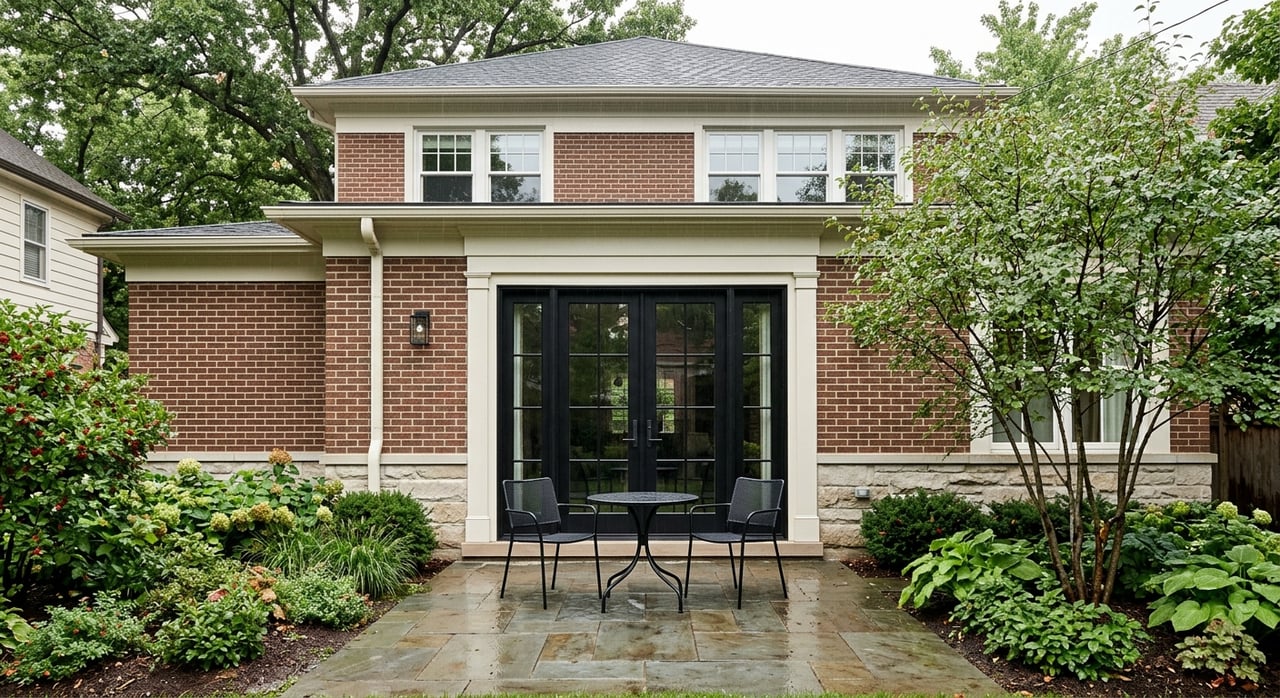
Before buyers notice square footage or layout, they notice how your home feels when they pull up. In Mentor, exterior care also matters for practical reasons because the city expects owners to maintain their property, including lawn height, weeds, and adjacent public sidewalks.
A few visible improvements often make the biggest impact:
- Mow and edge the lawn
- Trim shrubs and clean up overgrowth
- Remove weeds
- Sweep walkways and the front entry
- Check exterior lighting
- Make sure sidewalks look clean and well kept
- Touch up peeling or faded paint
These are not flashy upgrades, but they help your home feel maintained from the start. That first impression can set the tone for the entire showing.
Start with the rooms buyers notice most
If you are not sure where to put your time and budget, begin with the spaces buyers care about most. NAR’s 2025 staging report found that the living room, primary bedroom, and kitchen are the top rooms to stage first.
Why these rooms? They help buyers imagine daily life. They are also the rooms most likely to appear early in listing photos and shape a buyer’s emotional reaction.
Living room basics
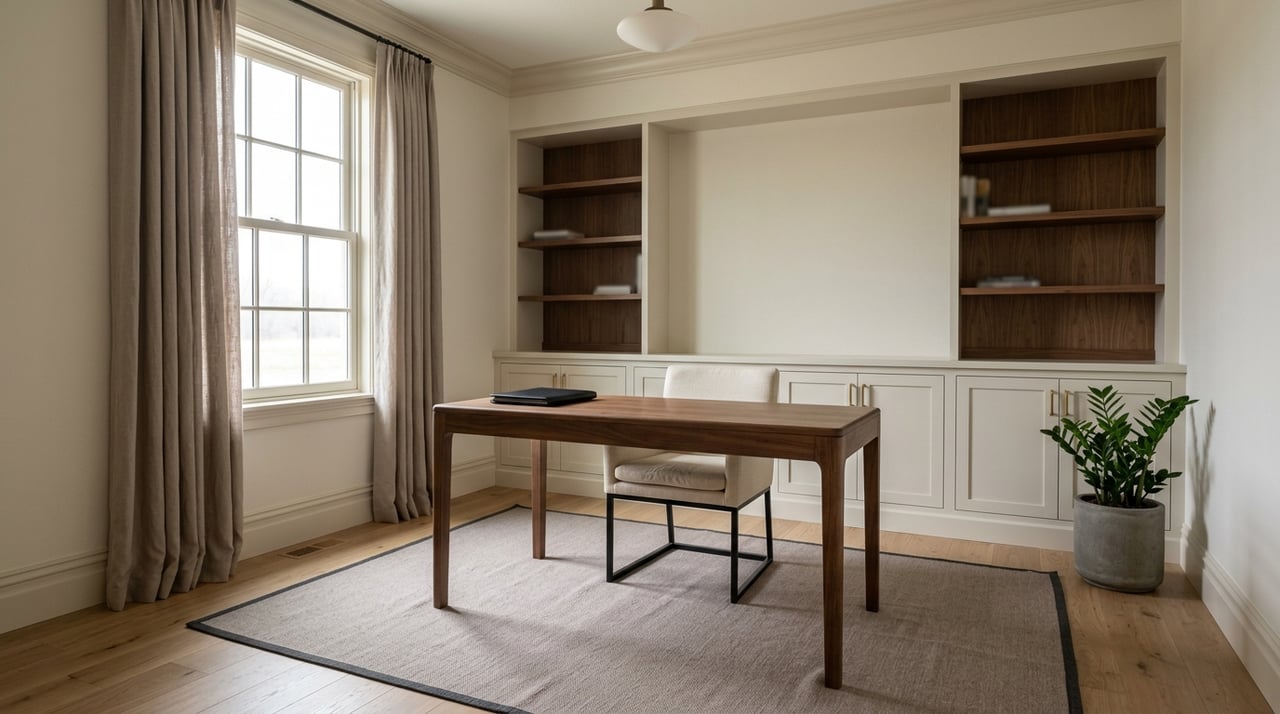
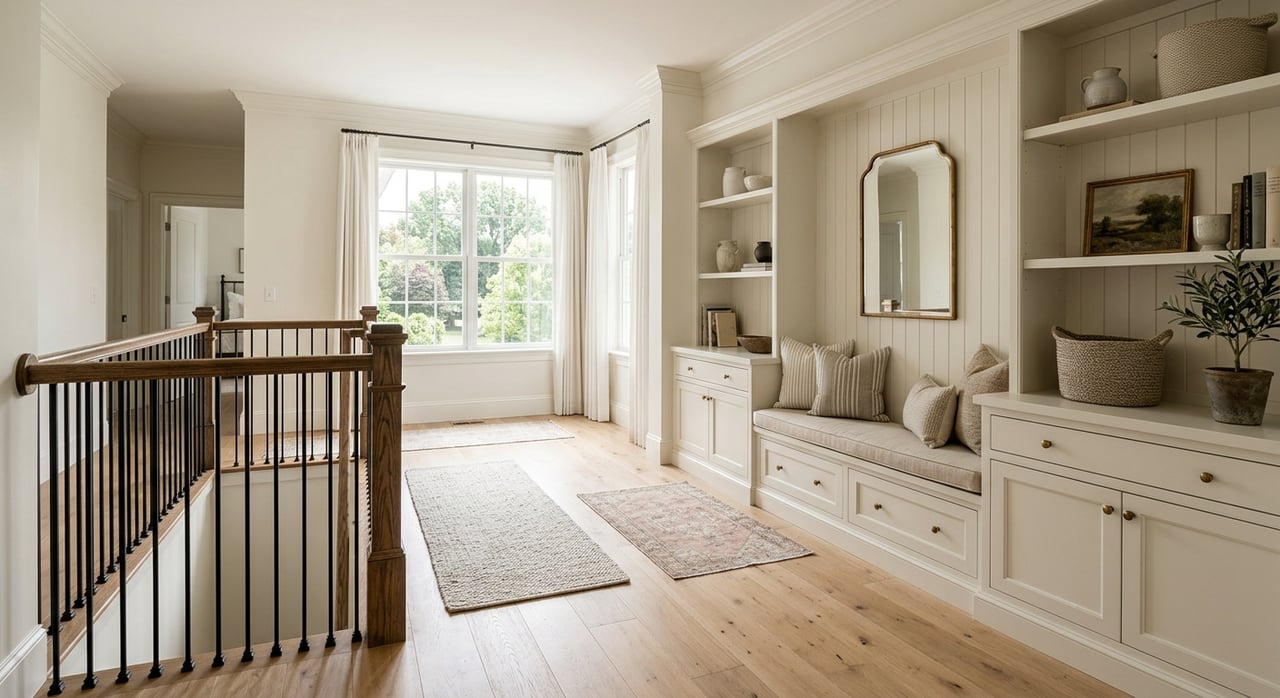
Your living room should feel open, calm, and easy to use. Remove extra furniture that makes the room feel smaller, simplify decor, and keep traffic flow clear.
If you have a lot of personal photos or bold collections on display, pack many of them away. Buyers do not need a blank space, but they do need room to picture their own style in the home.
Primary bedroom basics
The primary bedroom should read as restful and spacious. Use simple bedding, reduce furniture if the room feels tight, and clear surfaces like dressers and nightstands.
Closets matter here too. Keeping closets about half full can make storage feel more generous, which is one of the easiest staging wins you can make.
Kitchen basics
In the kitchen, clean and clear usually beats expensive. Buyers tend to notice counter space, storage, lighting, and overall upkeep very quickly.
Put away small appliances you do not use every day, clear paperwork from counters, and keep the sink spotless. If your kitchen has table space, make sure it feels usable and not crowded, since practical everyday function remains important to many buyers.
Choose updates with broad appeal
You do not need a major remodel to make buyers fall in love. In many cases, the best pre-listing improvements are simple, visible, and cost-conscious.
NAR reports that agents commonly recommend painting before listing, and front-door improvements stand out for strong cost recovery. A new steel front door had an estimated 100% cost recovery in the 2025 report, while a fiberglass front door came in at 80%.
Smart cosmetic updates
If you want to refresh your home before listing, these updates often help most:
- Neutral paint where walls feel dated or overly bold
- A freshly cleaned or repainted front door
- Updated house numbers or hardware if worn
- Deep cleaning throughout the home
- Fresh caulk where needed in kitchens and baths
- Minor flooring touch-ups or repairs
- Closet organization and clean storage areas
The goal is not to erase every sign of living there. The goal is to make your home feel clean, cared for, and easy for buyers to understand.
Highlight practical features buyers want
Today’s buyers are still drawn to everyday features they can use right away. NAHB’s 2024 buyer-preference research points to ongoing interest in features like a laundry room, patio, exterior lighting, ceiling fans, garage storage, hardwood flooring, landscaping, and table space in the kitchen.
There is also rising interest in practical tech and efficiency items such as programmable thermostats, security cameras, video doorbells, and multizone HVAC. If your home already has these features, make sure they are clean, working properly, and easy to notice during showings.
That does not mean you need to install everything on the list. It means you should present the features you already have in the best possible light.
Make your home photo-ready
Online presentation plays a huge role in how buyers respond to a listing. NAR’s staging research found that buyers’ agents rated photos as important more often than physical staging, video, or virtual tours.
That means your prep plan should support the camera just as much as the in-person showing. Bright, uncluttered, balanced rooms tend to photograph better and create a stronger first impression online.
Photo prep checklist
Before photos are taken, try to:
- Open blinds or curtains to bring in light
- Turn on lamps and working light fixtures
- Clear kitchen and bathroom counters
- Hide cords, pet items, and trash bins
- Straighten rugs and pillows
- Remove magnets and papers from the refrigerator
- Park cars so the exterior is easy to photograph
Buyers often decide which homes to tour based on photos alone. Clean visuals can help your home earn that next step.
Watch for visible maintenance issues
Condition matters more than many sellers realize. Even if buyers expect some updates over time, visible maintenance problems can make a home feel like more work from the start.
Walk through your home as if you were seeing it for the first time. Look for burned-out bulbs, dripping faucets, chipped paint, loose hardware, scuffed walls, cracked switch plates, or damaged screens. These small details can quietly add up in a buyer’s mind.
Outside, pay close attention to the items that can stand out in Mentor, including lawn height, weeds, sidewalk condition, and lot-edge maintenance. A tidy exterior supports both curb appeal and local property upkeep expectations.
Check permits before exterior projects
If you are thinking about doing more than simple cosmetic work, pause before you start. The City of Mentor notes that permits are required for several types of construction, including decks, pools, siding, sheds, porches, enclosures, and driveway construction or expansion.
That does not mean you should avoid improvements. It simply means you should verify requirements before taking on exterior work, especially if you want a smooth path to market.
Keep the message simple
Mentor has a strong lifestyle story, with extensive parkland, Mentor Lagoons, Headlands Beach State Park, recreation options, and a broad mix of shopping and dining. Those features can help support buyer interest, but your home still needs to feel like an easy, well-maintained place to live.
The strongest listing strategy is usually not a dramatic remodel. It is a home that feels clean, neutral, updated where it counts, and ready for the next owner to move in and make it their own.
If you are preparing to sell in Mentor, a focused plan can help you avoid overspending while still making a real impact. The right guidance can help you decide what to fix, what to stage, and what to leave alone so your home enters the market with confidence. When you are ready for local, hands-on support, connect with Legacy Clover Team.
FAQs
Which rooms should you stage first before selling a home in Mentor?
- Start with the living room, primary bedroom, and kitchen, since these are the rooms buyers tend to notice most and the spaces that often matter most in listing photos and showings.
What updates help a Mentor home look more appealing to buyers?
- Neutral paint, a refreshed front door, deep cleaning, decluttering, and simple repairs usually make the biggest difference without requiring a major remodel.
What exterior issues should Mentor sellers fix before listing?
- Pay attention to lawn height, weeds, walkway and sidewalk condition, exterior lighting, and general yard and lot-edge maintenance so the home looks cared for from the street.
Do you need permits for exterior home projects in Mentor?
- Yes, some exterior projects may require permits, including decks, pools, siding, sheds, porches, enclosures, and driveway construction or expansion, so it is smart to check city requirements first.
Why does staging matter when selling a home in Mentor?
- Staging helps buyers picture the home as their own, supports stronger listing photos, and can make your home feel more move-in ready in a market where condition matters.